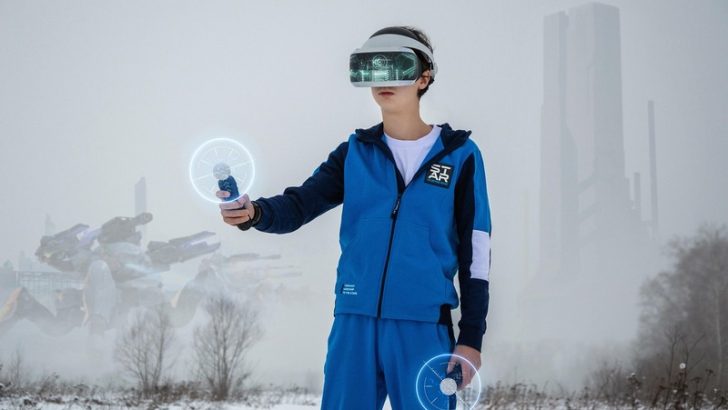
Technology has evolved far beyond screens and keyboards. The rise of spatial computing marks a transformative shift toward experiences that blend the digital and physical worlds. Unlike traditional computing, which confines interaction to flat screens, spatial computing allows people to move, see, and manipulate digital information in three-dimensional space — as if it exists right in front of them. From designing buildings to training doctors, spatial computing is not just changing how we interact with technology but also inspiring a future where digital experiences are more natural, immersive, and intuitive.
What Is Spatial Computing?
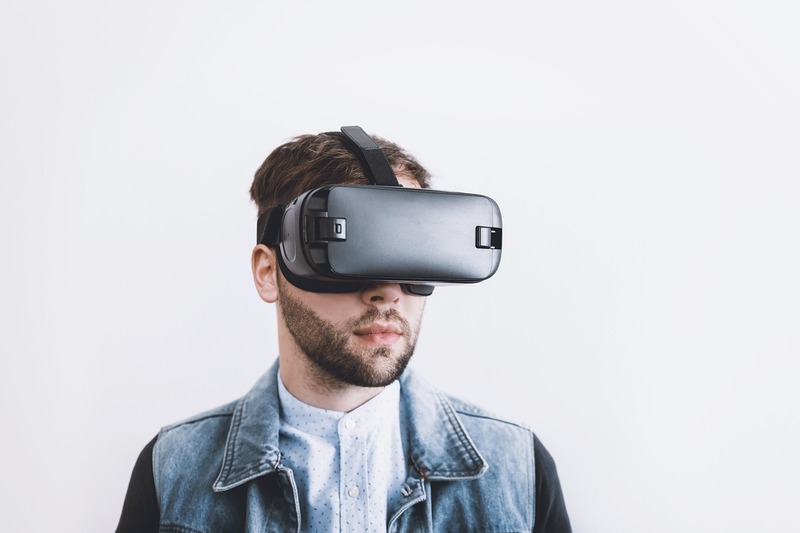
Spatial computing refers to the use of digital technology to interact with the physical world in three dimensions. It integrates hardware, such as sensors, cameras, and headsets, with software that understands real-world environments. The system recognizes space, movement, and objects — allowing users to engage with digital elements through gestures, voice commands, or even eye tracking.
Think of it as the next step after virtual and augmented reality. While virtual reality (VR) creates a fully digital world and augmented reality (AR) overlays images on the real world, spatial computing connects the two. It builds a seamless interface where physical and virtual elements coexist and respond to each other. Devices like Apple Vision Pro, Microsoft HoloLens, and Magic Leap are among the leading examples of how spatial computing works in practice. These devices can track the user’s surroundings, recognize gestures, and project virtual objects that seem to exist in real space. With this ability, people can design, collaborate, and communicate in ways that feel almost tangible.
Applications of Spatial Computing
Spatial computing is not a distant concept confined to futuristic gadgets — it is already being applied across multiple industries, enhancing efficiency and creativity in practical ways. Understanding these applications can make you feel more informed and knowledgeable about the current uses of spatial computing.
1. Architecture and Design
Architects, engineers, and interior designers use spatial computing to create and manipulate 3D models of buildings or environments before construction begins. Instead of relying on static blueprints, they can “walk through” virtual representations of their designs, adjust room dimensions, examine lighting from different angles, and simulate how materials will look under natural sunlight. This immersive approach helps clients understand the project better and enables faster decision-making.
2. Healthcare and Medical Training
In healthcare, spatial computing has become a groundbreaking tool for both professionals and students. Surgeons can plan complex operations using 3D reconstructions of a patient’s anatomy derived from real scans, while medical students can practice virtual procedures in a risk-free environment. These simulations improve accuracy, confidence, and understanding of spatial relationships within the human body. Hospitals also use spatial data visualization to plan operating rooms and to guide surgeons with mixed-reality overlays during real procedures.
3. Education and Learning
Spatial computing transforms classrooms into living laboratories. Instead of learning through text or video alone, students can experience lessons through immersive simulations. A history class might explore ancient civilizations as if walking through ruins; a physics class could visualize gravitational forces or molecular structures in 3D. This immersive learning promotes curiosity and improves knowledge retention.
4. Retail and User Experience
Retail brands are using spatial computing to revolutionize how customers shop and make decisions. Furniture companies like IKEA let users place virtual models of products in their homes through AR-enabled apps, allowing them to check how items fit before purchasing. Fashion brands like Nike and Gucci offer virtual try-on experiences, where customers can see how shoes or accessories look in real life using only their phone cameras.
In physical stores, spatial computing creates hybrid shopping experiences. Smart mirrors, for example, let customers view multiple product variations without changing clothes. Retailers also use spatial analytics — tracking how customers move through stores — to improve layout design and product placement. This integration of spatial data with consumer behavior has redefined marketing and product strategy.
The Role of Mixed Reality in Enhancing Spatial Experiences
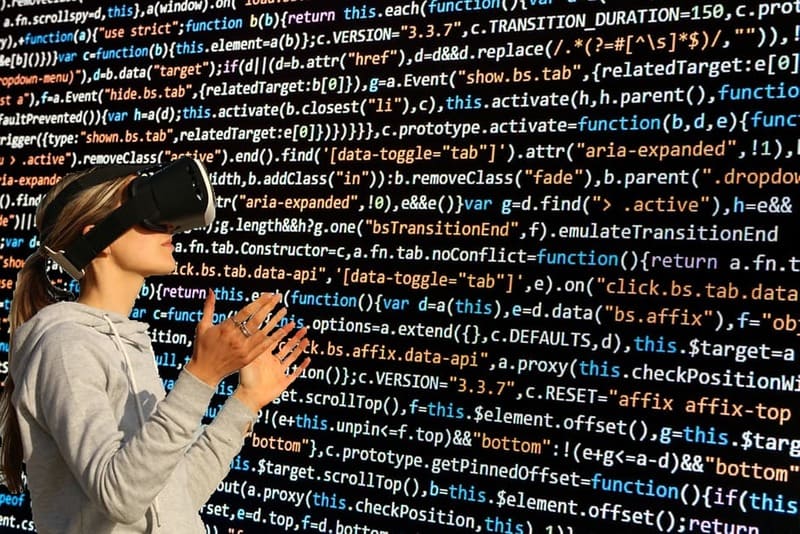
Mixed reality (MR) is an essential part of spatial computing. It allows digital objects to interact realistically with the physical world. For example, when a 3D model of a car appears on a table, you can walk around it, change its color, or even open its doors using gestures. MR bridges imagination and reality — giving users complete control over how they perceive and engage with digital content.
In professional settings, MR tools enable remote collaboration. Designers in different countries can meet in a shared 3D space to view and edit the same digital object in real time. This reduces costs, speeds up innovation, and eliminates the limitations of physical distance.
Challenges and Ethical Considerations
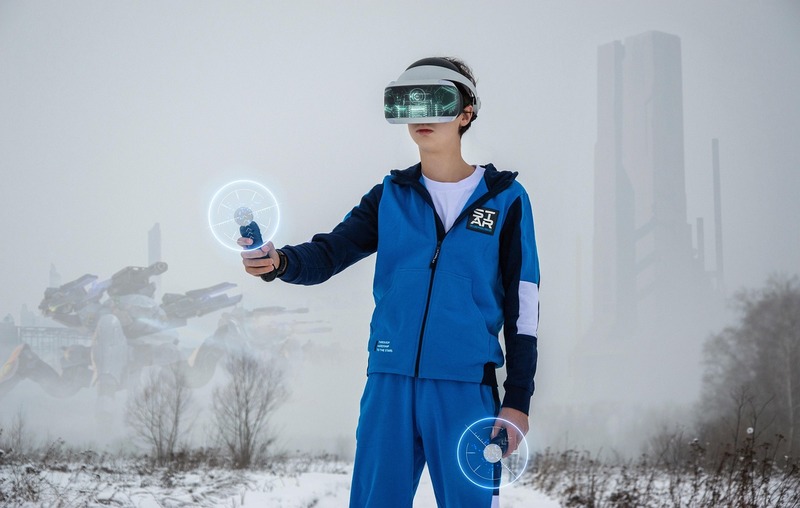
While spatial computing opens exciting opportunities, it also introduces new challenges that we must be aware of and prepared to address.
- Privacy and Data Collection: Spatial systems rely on cameras and sensors that continuously scan surroundings. This raises questions about how data is stored, who owns it, and how it might be misused.
- Accessibility and Cost: High-end devices are still expensive and may not be accessible to everyone. The digital divide could widen if spatial technologies remain available only to certain groups or industries.
- Human Adaptation: People need time to adjust to spatial interfaces. Some users experience motion sickness or fatigue when using immersive headsets for long periods.
Ethical frameworks must evolve to address these issues and ensure that the technology enhances human life rather than complicates it.
The Future of Spatial Computing
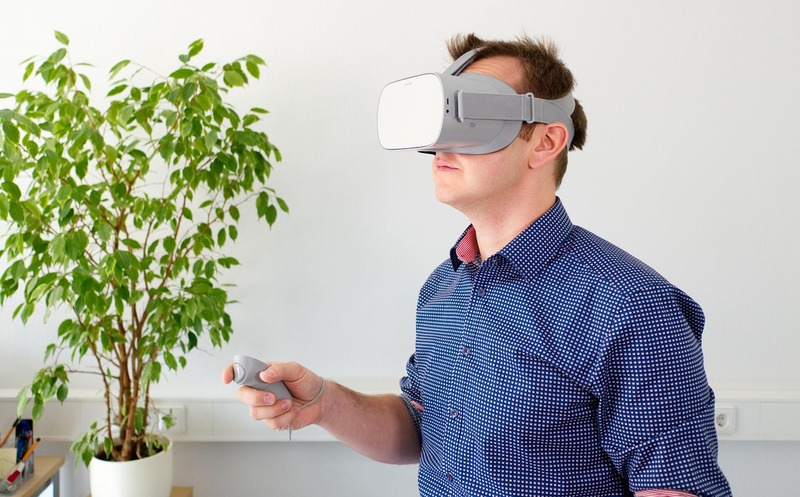
The potential of spatial computing extends beyond today’s prototypes. As hardware becomes lighter and processing power improves, spatial computing will likely merge seamlessly into everyday life. Future applications could include:
- Immersive remote work, where digital screens float in front of you without monitors.
- 3D social networking, where avatars interact in shared physical-digital spaces.
- Smarter cities, using spatial data to optimize traffic, security, and energy consumption.
Companies are already preparing for this shift. Developers are learning new 3D design languages, while brands are rethinking user interfaces that move beyond the flat screen. This shift in technology could also lead to new job opportunities in spatial design, data visualization, and user experience design. Eventually, spatial computing might become as common as smartphones — not just a tool, but an integral part of how we experience digital life.
Spatial computing represents a monumental step in how humans connect with technology. By merging physical and digital realities, it transforms passive screen-based interaction into a dynamic, three-dimensional experience. From healthcare and education to retail and design, the possibilities are endless.
As devices evolve and accessibility improves, spatial computing could redefine not just how we use technology — but how we live with it. The future of interaction is no longer behind a screen; it’s all around us.