Not too long ago, a box was just a box, right? Its only job was actually to get a product from a factory to your home without it breaking. But now, packaging is one of the most important parts of any brand. It’s even become the first thing you see, or you could say it’s your first “handshake” with the product.
However, there’s a flip side today. That same box has become a massive environmental problem worldwide. For example, have you ever seen pictures of landfills and oceans filled with plastic? Yes, that problem has made many customers fed up, and they’re demanding a complete change.
Because of this, sustainable packaging design is no longer just a “nice to have” bonus. It’s becoming the most essential factor for a brand to gain big success. In 2025, we’re seeing huge, creative trends that are changing the game in sustainable packaging design. Read on to know more about this eco-friendly trend!
The Circularity Revolution (Reuse & Refill)
First of all, the biggest trend is the shift away from the “take-make-dispose” model. The old way, we knew, was to use something once and then throw it away. Unfortunately, we’ve now run out of that “away”.
So, the new idea for many brands to develop today is a “circular economy”. This means we need to create products that can be used, returned, refilled, and used again. That way, we can produce no waste at all.
Reusable Packaging Systems
This is why sustainable packaging design is the new gold standard today. Instead of recycling a bottle, what if you just refilled it? We are definitely seeing this idea pop up everywhere.
For instance, according to Sustainability Magazine, big brands like Lush have championed this for years through their in-store refill stations and “Naked” products with no packaging. This idea can be considered the future: treating packaging like a service, not like trash.
Lightweighting & Reduction Strategies
Of course, the easiest way to make packaging sustainable is to simply use less of it. Do you agree too? Well, this is called “lightweighting”. This could mean making glass bottles thinner but just as strong as the thick ones. For that, a brand must redesign its box to use 30% less cardboard.
Or it could mean you need to get rid of the box entirely. For example, why must toothpaste come in a box? This “less is more” approach isn’t just good for the planet, but it can save companies a ton of money on materials and shipping. The reason is that these lighter packages cost less to mail.
Material Innovation & the “Paperization” Boom
Indeed, this is the “cool science” part of sustainable packaging design. We’re in a golden age of material innovation, with scientists and designers creating fantastic new options that were unthinkable a decade ago.
The “Paperization” of Everything
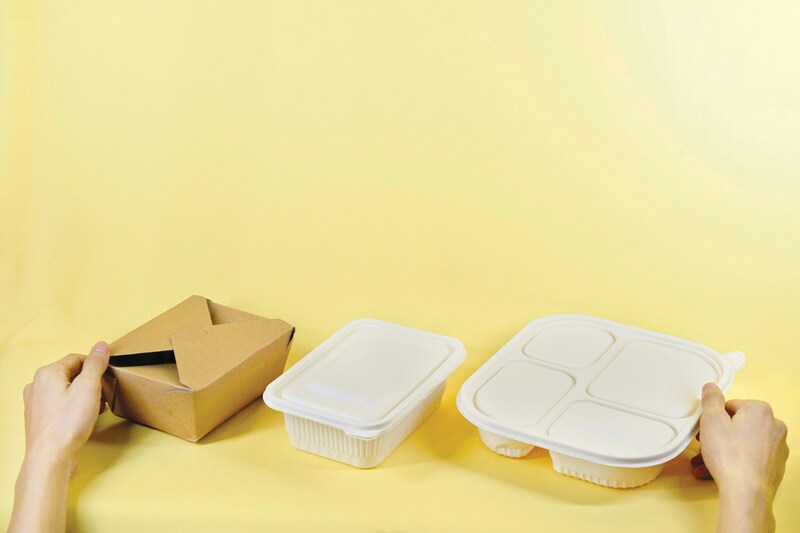
We believe you’ve noticed: plastic is out and paper is in today. Then, this trend is called “paperization” and it’s very massive. Fortunately, thanks to new, plant-based barrier coatings. Because of it, paper can now do jobs that only plastic could do before.
Nowadays, you can see paper-based ice cream wrappers, right? You can also find paper-based trays for fresh food and even paper-based drink bottles. Because paper is seen as renewable and much easier for people to recycle at home, many brands try to replace as much plastic as possible with fiber-based alternatives.
The Monomaterial Mandate
For sure, this one sounds very technical. However, it’s super simple and really important. For years, a lot of our packaging, especially for food, was made of mixed materials. For example, a chip bag that has a layer of plastic fused to a layer of aluminum foil. Yes, it is really strong, but it’s impossible to recycle.
So, the best solution for that problem is “monomaterials”. This means a brand needs to make a package out of just one thing. For instance, we must create a new kind of all-polypropylene pouch that keeps food fresh. Because it’s made of a single material, it can be recycled.
Next-Generation Bio-materials
Next, this is where it gets more futuristic. We’re now growing packaging from living things, too. Mushroom Packaging (Mycelium) is one of the eco-packaging trends that has arisen. You could say that it is the coolest replacement for Styrofoam.
Now, many companies are using mycelium (the root structure of mushrooms) and packing it into molds made from farm waste, such as hemp or corn husks. In a few days, the mycelium grows into an intense, light, and 100% home-compostable shape, ideal for protecting electronics or wine bottles.
Transparency & Digital Traceability
Another thing to note is that consumers are like detectives now. They don’t just trust a little green leaf logo on a box. They want valid proof. Undoubtedly, this “prove it” mentality has led to the rise of transparent, traceable packaging in today’s industries.
Consumer Demand for Proof
Definitely, people want to know the whole story. Where did this product come from? Or, was it made ethically? What exactly can I do with this package when I’m done? This means that a vague claim like “eco-friendly” is no longer enough. Consumers will push for the facts, and brands are being forced to provide them.
Smart Packaging Integration
So, how can you tell that whole story in a small box? To make it happen, you can use technology, since the package is now a digital portal. You can simply add a humble QR code to your packaging.
With that code, a simple scan with your phone can take you to a webpage showing the exact farm your coffee beans came from. Maybe, you can also make the scan show your customer a video of how to properly separate the package for recycling.
Some high-end brands even use NFC (Near Field Communication) chips to let customers tap their phones to the box to verify its authenticity. In short, the use of tech for sustainable packaging design is all about building trust through honesty.
Minimalist & Eco-Luxury Design
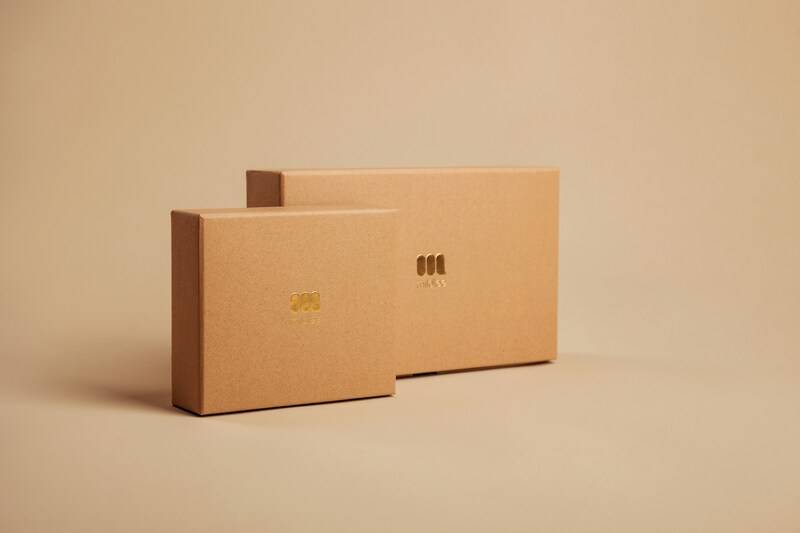
For a long time, “eco-friendly” packaging looked a bit boring, too. It was just brown, scratchy cardboard. Luckily, it has completely changed now. The new trend is more “eco-luxury”, where sustainability is the ultimate sign of a premium product.
Minimalism as a Sustainable Aesthetic
This is why “Less is more” is the new design mantra. However, it’s not just about a look but about a sustainability strategy. Minimalism means using less ink and simpler fonts. It also often means a brand lets the material itself be the star.
For example, a beautiful, unbleached Kraft paper box has become a design choice that feels honest, authentic, and confident. It tells the customer that Kraft is so good that it doesn’t need a loud, flashy box to sell its products.
Premiumization of Sustainable Materials
Interestingly, many brands are now making sustainable materials feel incredibly luxurious. It’s not about looking cheap at all. It’s about looking thoughtful so that they can win the customer’s heart.
For instance, eco-luxury is about using mushroom packaging with a unique, marble-like texture. Or a company can use seaweed-based materials with a beautiful, pearl-like shimmer for its packaging.
To sum up, packaging has finished its transformation. It’s no longer a throwaway container but becomes a central part of a brand image. Thus, a great sustainable packaging design is no longer just an option. This has become the new standard for any brand that wants to earn the trust of modern customers.