
Artificial intelligence (AI) is revolutionizing how brands connect with their audiences. No longer just a supporting tool, AI now plays a central role in shaping brand strategy. Unlike traditional branding strategies, which relied heavily on intuition, fixed messaging, and long-term positioning, AI-powered branding is dynamic, data-driven, and highly personalized.
Brands can now adapt in real time to consumer behavior, market trends, and digital interactions. It then allows faster, smarter, and more relevant engagement. As a result, branding is shifting from static identity building to dynamic, data-led storytelling that evolves with customer behavior.
Read on to explore AI branding!
Understanding AI in Brand Strategy
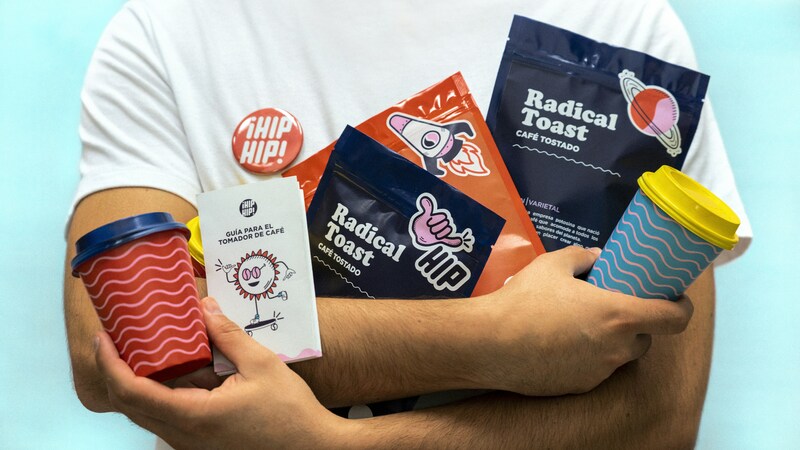
Traditionally, branding is the process of creating a unique identity for a product, service, or company. It serves as an effort to differentiate from competitors. In this process, branding involves the use of logos and slogans. However, in the era of AI, branding involves complex elements.
What Does Branding Mean in the AI Era?

Let us agree on a statement that branding in the AI era is not just about having a catchy logo or slogan anymore. It is about how your brand thinks, responds, and interacts in a world where technology shapes every customer touchpoint.
In simple terms, branding in the AI era means building a brand identity that is smart, adaptive, and data-driven. AI tools now help companies understand their audiences more deeply, personalize experiences at scale, and even predict what customers might want next. For example, AI can look at millions of social media posts to find new trends or create marketing messages that fit each person’s preferences while keeping the brand’s own style and voice.
To be more specific, branding in the AI era has become:
- More accessible, what used to require big budgets and large teams is now possible for small businesses too, thanks to easy-to-use AI tools.
- More personalized, messaging is no longer one-size-fits-all. Brands can tailor content and experiences to each customer’s preferences.
- More data-driven, instead of using intuition, brands now make smarter decisions using real customer data and AI-powered insights.
- More experimental, AI makes it easy to test different ideas quickly, helping brands learn what works best without wasting time or resources.
- More responsive, branding is not limited to planned campaigns anymore. With AI, brands can engage with audiences in real time.
Personalization and Consumer Insights
In the past, branding didn’t include personalization or deep consumer insights. But today, thanks to AI and the ability to process huge amounts of data, brands can understand their customers in ways that were never possible before. AI can spot patterns, habits, and preferences to help create personalized experiences that feel more relevant and meaningful to each person. This makes it easier for brands to truly connect with people, not just as customers, but as individuals.
Take Netflix, for example. It uses AI to learn what you like to watch, then suggests movies and shows that match your taste. Amazon does the same with shopping, recommending products based on what you’ve viewed or bought. Starbucks also uses AI through its mobile app, offering personalized rewards and drink suggestions based on your order history. These experiences feel more personal and make people feel seen, that is what modern branding is all about.
Therefore, brands can gain key benefits from this AI branding approach, such as:
- Deeper customer engagement, personalized experiences make customers feel understood and valued.
- Stronger brand loyalty, when customers feel connected, they’re more likely to return and recommend.
- Higher conversion rates, relevant messages and offers increase the chances of purchase.
- Better customer insights, AI reveals patterns and preferences that help improve strategy.
- More efficient marketing, targeted content reduces wasted effort and reaches the right audience faster.
AI for Creative and Content Innovation
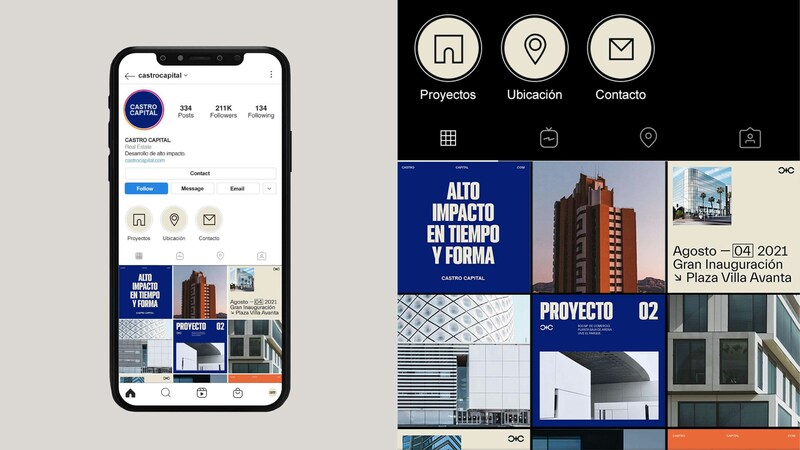
The AI-powered branding process can be a powerful source of creative and content innovation. With the help of AI, brands can generate ideas, write engaging content, and design visuals more efficiently. Use generative AI for content, such as advertisements, emails, video scripts, social copies, logos, and visuals. Furthermore, AI tools can analyze what types of content perform best, suggest improvements, and even create versions tailored for different audiences or platforms.
This does not replace human creativity. Instead, it enhances the process by speeding up routine tasks and providing data-backed insights. As a result, branding becomes not only more consistent and on-brand but also more innovative, helping brands stay relevant in a fast-changing digital world. Hence, it strengthens the brand’s competitiveness in the market.
AI presents a huge opportunity for businesses to innovate and create new products, services, and experiences that weren’t possible before. For example:
- Customer Support Chatbot, company can provide instant answers and help 24/7 to improve customer satisfaction.
- E-Commerce Assistant Chatbot, company can guide shoppers, recommend products, and simplify the buying process.
- Travel Concierge Chatbot, company can help travelers with bookings, itinerary changes, and personalized recommendations.
How to Start?

Getting started with AI in your branding might seem tricky, but it’s easier than you think if you take it step by step.
1. Identify your goals
It is important to understand what you want to achieve. Goals can vary widely, such as: gaining deeper insights into customer behavior to tailor marketing efforts, automating repetitive tasks like customer service to save time and reduce errors, creating personalized content to improve engagement and conversion rates, etc.
2. Gather your data
AI depends on good data. Collect data from multiple sources such as your website analytics, social media channels, sales history, customer feedback, and CRM systems. The quality and quantity of the data will impact how well AI can analyze and generate useful insights. Make sure your data is organized, relevant, and compliant with privacy regulations.
3. Choose the right AI tools
there are many AI tools available for branding, marketing, and content. Pick those that fit your needs and budget.
4. Start small and test
Begin with one project or campaign to see how AI can improve your branding efforts. Testing on a small scale helps you understand how AI fits your workflow, what works best, and where adjustments are needed without major risks.
5. Learn and adapt
AI systems often provide ongoing insights and recommendations. Use these to continuously improve your branding efforts. Monitor performance, gather feedback from your team and customers, and be ready to tweak your approach. As you become more comfortable with AI, you can expand its use across more areas of your branding strategy.
Conclusion
Though AI branding transforms the business strategy, it is actually only the tool, a powerful medium that enhances how brands operate. The core elements of branding, such as trust, authenticity, and emotional connection, remain the same. AI-powered branding only improves how these values are delivered through personalized content and real-time engagement. So, ready to utilize AI branding for your business?